



Sibley Memorial Hospital Renaissance is a 45 unit nursing facility. It is situated within the Potomac Heights neighborhood of Washington DC, Washington DC. The facility is in a largely upscale area, with an average household income of $138,566. ...
Need Assistance? Call 1-800-334-9427
Sibley Memorial Hospital Renaissance is a 45 unit nursing facility. It is situated within the Potomac Heights neighborhood of Washington DC, Washington DC. The facility is in a largely upscale area, with an average household income of $138,566. ...

Situated within the Michigan Park neighborhood of Washington DC, Washington DC, Carroll Manor Nursing and Rehab is a 252 room nursing home facility. The encompassing area has a medium-density population, with roughly 19,000 residents in the 20017 zip code. ...

Situated within the West End neighborhood of Washington DC, Washington DC, Brinton Woods Health and Rehab Center at Dupont Circ is a 180 bed nursing home facility. The community is in a largely middle income area, with an average ...
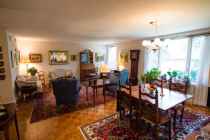
Located within the Barnaby Woods neighborhood of Washington DC, Washington DC, Knollwood Military Retirement Communtity is a 69 bed senior community. The encompassing area has a medium-density population, with roughly 16,000 individuals residing in the zip code of 20015. ...

Located in the North Cleveland Park neighborhood of Washington DC, Washington DC, The Washington Home is a 192 unit senior housing facility. The community is in a predominantly well-to-do area, with a median household income of $138,566. With ...

Forest Hills of Dc is situated in the Wakefield neighborhood of Washington DC, Washington DC. It is a 50 unit senior community. With about 29,000 people residing in the zip code of 20008, the neighboring area has a ...

The Residences at Thomas Circle is a 27 room senior community. It is situated within the Logan Circle area of Washington DC, Washington DC. The surrounding area has a medium-density population, with roughly 14,000 individuals living in the ...

Brinton Woods Health and Rehab of Washington Dc is a 183 room nursing home facility. It is located in the Shipley Terrace area of Washington DC, Washington DC. The neighboring area has a dense population, with roughly 37,000 ...

Transitions Healthcare Capitol City is a 360 unit nursing care facility. It is situated within the Skyland area of Washington DC, Washington DC. The neighboring area has a dense population, with about 51,000 residents in the zip code ...

US Armed Forces Retirement Home is a senior care community situated in the Catholic University neighborhood of Washington DC, Washington DC. The surrounding area is heavily populated, with roughly 60,000 people residing in the 20011 zip code. It ...

Grand Oaks Assisted Living Residence is a senior care community located in the Potomac Heights area of Washington DC, Washington DC. With an average per-household income of $138,566, the facility is in a primarily upscale area. It has ...
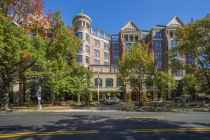
5111 Connecticut Ave
Washington DC, DC 20008
Situated in the Wakefield neighborhood, Sunrise On Connecticut Avenue is a senior care facility in Washington DC, Washington DC. With an average household income of $93,842, the facility is in a mostly affluent area. It is densely populated, ...

2701 Military Road NW
Washington DC, DC 20015
Forest Side Memory Care is a senior housing community situated within the Chevy Chase neighborhood of Washington DC, Washington DC. The facility is in a primarily upper class area, with a median per-household income of $142,090. With about ...

2701 Military Rd NW
Washington DC, DC 20015
Forest Side Memory Care is a senior care facility situated within the Chevy Chase neighborhood of Washington DC, Washington DC. The community is in a mostly well-to-do area, with a median per-household income of $142,090. It has an ...

3600 B St SE
Washington DC, DC 20019
Triangle View Senior Residence is a senior housing facility situated within the Fort Dupont neighborhood of Washington DC, Washington DC. The encompassing area has a dense population, with roughly 55,000 individuals residing in the 20019 zip code. It ...

2508 18th St NE
Washington DC, DC 20018
Located in the Langdon area of the city, Helton Manor West is a senior care facility in Washington DC, Washington DC. With an average household income of $52,547, the facility is in a mostly middle income area. It ...

6417 Kansas Ave NE
Washington DC, DC 20012
Situated within the Riggs Park neighborhood, Joye Assisted Living is a senior care community serving Washington DC, Washington DC. With a median family income of $82,011, the facility is in a generally upscale area. It has a medium-density ...

3821 Wilson Blvd
Arlington, VA 22203
Brookdale Arlington is a senior community serving individuals 55 and over situated in the Ashton Heights area of Arlington, Virginia. With roughly 23,000 people residing in the 22203 zip code, the neighboring area has a dense population. It ...
4 miles away from Washington DC, DC
In the nation’s capital city of Washington, D.C., seniors make up over 12% of the 700,000 residents. To accommodate the one in nine older adults with Alzheimer’s, the region has a wide array of programs and services to support seniors and their families. While the number of people with Alzheimer’s globally continues to grow, deaths from the disease have fallen in D.C. The Centers for Disease Control discloses that between 2014 and 2018, the total number of deaths in D.C. went up by about 6%, but Alzheimer’s-related deaths went down by over 15%, dropping from 156 to 132. In 2014, about 5% of deaths were linked to Alzheimer's, versus about 4% in 2018.
For many seniors living with dementia, residential memory care may offer a beneficial treatment option. These facilities provide 24/7 monitoring and supervision, dementia-friendly activities and increased security along with standard assisted living services, such as personal care and housekeeping. This guide covers the cost of dementia care in the D.C. area and compares it to neighboring cities in Virginia and Maryland. It also highlights the benefits and drawbacks of living in the nation's capital, and the programs that individuals and families affected by dementia have access to.
Washington, D.C., has a SeniorScore equal to the national average at 72, indicating the city offers an average number of amenities and benefits for older adults. The SeniorScore is a tool that assesses how comfortable a region is for seniors based on its financial favorability, comfort, access to healthcare and recreational amenities. D.C. scored highest in the Health & Safety category at 70. In the Recreation & Leisure and Finances categories, it earned moderate scores of 66 and 62, respectively. It scored lowest in General Quality of Life at 56.
The D.C. area has a high number of hospitals and a large network of Medicare-registered doctors and specialists. There are numerous senior care options, including a high number of residential care facilities and home health care providers. The city lost points for its prevalent property and violent crime and below-average life expectancy, which is 76.5 years compared to the U.S. average of 78.6. Only about one in five D.C. residents are aged 55 and over, which is a low percentage compared to the national average. The city has four golf courses, an average number of parks and approximately 865 churches.
Washington, D.C., has a very high cost of living compared to the rest of the nation, but Social Security and public pension incomes are exempt from taxation at the city level, which may leave more money in the bank for expenses. Senior care costs, including memory care, tend to exceed national averages. The city has a relatively comfortable climate with warm summers and chilly winters, and it gets slightly more rain than the average U.S. city.
In Washington, D.C., memory care services are typically provided in assisted living facilities, which may be licensed as either assisted living residences or community residence facilities. In addition to standard assisted living services, such as personal care and housekeeping, dementia care facilities may incorporate specialized programming to address cognitive and social needs. They may have additional staffing and staff training practices and advanced security features. Because of these considerations, memory services usually cost 20-30% more than assisted living. The following data is calculated based on assisted living costs in the Genworth 2020 Cost of Care Survey with 25% added.
The District of Columbia is an expensive region for memory services, with monthly fees coming in at $7,500. This is over $2,000 per month higher than the national average of $5,375. Across D.C., care costs may vary depending on a facility’s location, amenities and pricing structure.
Washington, D.C., is one of the most expensive cities in the region for memory care. The only nearby city with higher fees is the California area of Maryland, where facilities charge $7,750 per month on average. In Charlottesville, Virginia, care costs are slightly lower at $7,366, and in Salisbury, Maryland, fees are even lower at $6,875. In Winchester, Virginia, memory care costs are closer to the national median at $5,380. Richmond, Virginia, is the most economically priced nearby city for dementia care, with monthly fees averaging $4,556.
Alzheimer’s Association National Capital Area Chapter The Alzheimer’s Association’s National Capital Area Chapter serves seniors in the D.C. area through a broad array of programs and services tailored to meet the needs of those affected by dementia. It has a full calendar of support group meetings, community events and education programs, providing seniors and families the opportunity to network with those facing similar issues. Its Community Resource Finder helps individuals locate free and low-cost programs and supports, including day services, transportation and memory care, and its free care consultation service provides advice on the next steps to take after a diagnosis. The organization also funds early-stage engagement programs to promote socialization for those in the early phases of dementia. 8180 Greensboro Drive, Suite 400, McLean, VA 22102 (703) 359-4440 |
Mayor’s Office of Veterans Affairs The Mayor’s Office of Veterans Affairs provides a variety of services for qualifying veterans in Washington, D.C., including outreach and community services and developing district-level programs that meet the needs of veterans and their families. The office helps local veterans and their qualifying family members file for VA benefits. Veterans may be able to obtain benefits that help cover memory services, including placement in veterans’ homes, VA pensions, disability compensation and the Aid and Attendance or Housebound benefit. The office can also determine whether a veteran qualifies for VA healthcare. 441 4th Street, NW, Suite 707 North, Washington, D.C., 20001 (202) 724-5454 |
Department of Aging and Community Living The Department of Aging and Community Living is the local Area Agency on Aging that serves those aged 60 and over in the D.C. metro. It organizes, oversees and administers a wide range of programs, including nonemergency medical transportation services. Through this department, seniors and families meet with health insurance counselors who provide free, confidential and unbiased advice about Medicare, Medicaid and long-term care insurance, which may help families identify ways to cover the cost of memory services. 500 K Street, NE, Washington, D.C. 20002 (202) 724-5626 |
Institute for Brain Health & Dementia The Institute for Brain Health & Dementia promotes and supports Alzheimer’s research and connects field experts by providing a forum to discuss research, theories and therapy options. It hosts seminars that are open to the public and cover topics relevant to managing dementia, recognizing symptoms and effective communication techniques. It also has a free online program for those who have a family member with dementia. 950 New Hampshire Avenue NW, Washington, D.C. 20052 |
Legal Aid Society of the District of Columbia The Legal Aid Society of the District of Columbia is a nonprofit legal agency that provides free services for qualifying D.C. residents. Through this agency, individuals obtain assistance with accessing public benefits that may help cover memory care expenses, including Medicare or Medicaid, Supplemental Security Income and Social Security. The agency can also advocate on behalf of those who experienced abuse, neglect or exploitation in a memory care facility. 1331 H Street, NW Suite 350, Washington, D.C. 20005 (202) 628-1161 |

 Your Information is Processing